Content Management System (CMS)
Guide to Content Management Systems (CMS):
Understanding Significance and Future
What Is a Content Management System (CMS)?
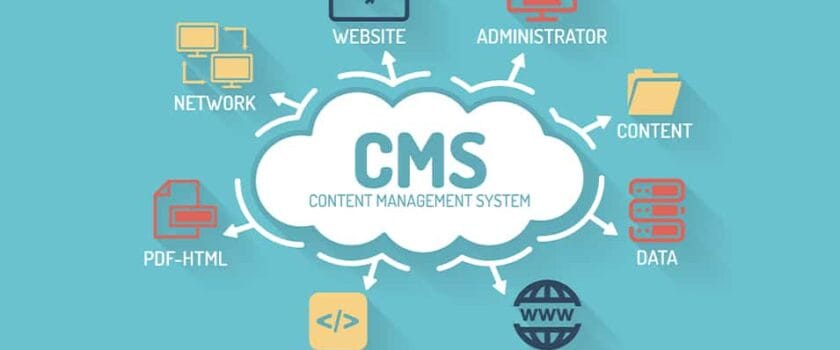
A Content Management System (CMS) is a software platform designed to simplify the creation, management, and publication of digital content. At its core, a CMS allows individuals—whether technical or non-technical—to build and maintain websites without needing to manually write or modify code. This empowers businesses, bloggers, and organizations to publish content quickly, reduce development time, and maintain consistent digital experiences across pages and platforms.
A typical CMS consists of two major components: the content management application (CMA) and the content delivery application (CDA). The CMA is the interface where users create and edit content through visual editors, drag-and-drop builders, or block-based tools. The CDA handles the behind-the-scenes processing and publishes the content to the website’s front end. This combination allows users to focus on content while the system manages the technical infrastructure.
CMS platforms vary significantly in complexity and purpose. Some, like WordPress or Joomla, target general-purpose website creation, while others, such as Drupal or Typo3, offer advanced modularity for enterprise-scale systems. Additionally, modern headless CMS solutions decouple content from presentation entirely, enabling developers to distribute the same content across websites, mobile apps, IoT devices, and more. This evolution shows the expanding role of CMS technology within the digital ecosystem.
Applications and Uses of CMS
Content Management Systems play a crucial role across virtually every digital sector. One of their most prominent uses is in website creation and maintenance. Organizations rely on CMS platforms to power corporate websites, personal blogs, news portals, educational platforms, and e-commerce stores. The simplicity of content updates—where teams can edit text, upload media, or restructure layouts instantly—makes CMS tools indispensable for modern businesses seeking agility and efficiency.
CMS solutions are also widely used in e-commerce development. Platforms such as WooCommerce (built on WordPress), Magento, and Shopify provide robust product management, order processing, and payment integration. This allows businesses to launch full-scale online stores without requiring custom-coded systems, lowering barriers for entry into digital commerce.
In addition to websites and stores, CMS platforms have become foundational in enterprise content strategies. Companies use them to manage internal knowledge bases, documentation hubs, intranets, and customer portals. These systems ensure consistency, security, and centralized governance of digital content, all essential for large organizations with multiple teams sharing information.
Furthermore, the rise of headless CMS solutions expands their use beyond traditional websites. By separating the backend content repository from the frontend presentation layer, headless CMS platforms deliver content seamlessly to mobile applications, smart devices, digital signage, and emerging technologies. This flexibility positions CMS tools at the center of multi-channel digital communication strategies, highlighting their importance in today’s diversified content landscape.
Career Opportunities in CMS Development
CMS technology opens numerous career paths for developers, designers, and digital strategists. One of the most common roles is CMS Developer, in which professionals specialize in platforms such as WordPress, Drupal, or Joomla. These developers build custom themes, develop plugins, optimize website performance, and tailor the platform to unique business needs. It is a highly in-demand position due to the global adoption of CMS-driven websites.
Another major career opportunity lies in e-commerce development. Specialists who work with Shopify, WooCommerce, or Magento are often sought after by businesses transitioning to digital sales channels. Their responsibilities include configuring store functionalities, integrating payment gateways, and developing custom extensions for streamlined customer experiences.
The role of CMS Administrator and Content Manager focuses on the operational aspects of maintaining content-heavy websites. These professionals manage website updates, oversee user permissions, ensure accessibility compliance, and maintain overall content quality. This position is crucial in organizations that rely heavily on digital communication and brand management.
Additionally, the rise of headless CMS architecture has created demand for frontend developers skilled in frameworks like React, Vue, and Next.js. These developers consume content from CMS APIs and present it through custom-designed interfaces. As more companies adopt headless systems, job opportunities continue to expand across both frontend and backend development fields.
Salaries in CMS-related roles vary based on expertise and specialization. Developers working with enterprise systems or high-traffic e-commerce solutions often command higher compensation due to the complexity and scalability requirements involved. As businesses increasingly rely on digital assets, the demand for CMS professionals remains strong and continues to grow.
The Technology Behind CMS Platforms
The technology powering Content Management Systems has evolved from simple template-based systems to sophisticated architectures supporting large-scale digital experiences. Traditional CMS platforms operate on a monolithic architecture, where the frontend and backend are interconnected. This structure simplifies development and is ideal for small to medium-sized websites, as it integrates templates, plugins, editorial tools, and databases into a single cohesive system.
Under the hood, CMS platforms rely on combinations of programming languages, databases, and server technologies. For example, WordPress is built on PHP and MySQL, while Drupal uses PHP and supports other databases like PostgreSQL and SQLite. Magento incorporates PHP and the Zend framework, whereas enterprise CMS platforms may use Java, .NET, or Python-based architectures. The choice of technology often determines the platform’s scalability, performance, and extensibility.
Modern advancements have introduced headless and decoupled CMS solutions. These systems separate content creation from content presentation using APIs—usually REST or GraphQL. This decoupling enables developers to build interfaces using modern JavaScript frameworks while relying on the CMS solely for content storage and management. This approach enhances performance, allows greater design freedom, and facilitates multi-platform content delivery.
CMS platforms also integrate technologies for caching, version control, user authentication, media management, and security hardening. The continuous development of plugins, modules, and cloud-based hosting environments contributes to the expanding ecosystem. With scalability and automation becoming top priorities, many CMS solutions now integrate with cloud services, CDNs, and containerization platforms such as Docker and Kubernetes, increasing their efficiency and reliability.
Complementary Skills for CMS Professionals
Excelling in CMS-related fields requires a combination of technical and non-technical skills. A strong understanding of web development fundamentals—HTML, CSS, JavaScript, and server-side languages—greatly enhances a developer’s ability to customize themes, troubleshoot errors, and extend CMS functionality. Backend skills, particularly in PHP, are particularly valuable for platforms such as WordPress and Drupal.
Knowledge of databases is another essential skill, as CMS platforms rely heavily on data storage and retrieval systems. Understanding MySQL, MariaDB, PostgreSQL, or NoSQL databases equips developers to optimize performance, resolve data inconsistencies, and ensure seamless content delivery across the platform.
For those working on visual and user-facing aspects, skills in web design, UI/UX principles, and accessibility standards are highly beneficial. These skills help ensure websites built on CMS platforms provide intuitive navigation, readability, and inclusivity for users.
Additionally, familiarity with SEO (Search Engine Optimization) and digital marketing is incredibly advantageous for content managers and site owners. Optimizing metadata, website structure, and performance enhances visibility and drives traffic.
Finally, professionals benefit from proficiency in version control, project management systems, and troubleshooting approaches. These complementary skills allow CMS developers and administrators to collaborate effectively, maintain clean codebases, and deliver stable, well-structured digital experiences.
How and Where to Acquire CMS Skills
Learning CMS development can be approached from multiple paths. Many developers start by exploring free, open-source platforms like WordPress, Joomla, or Drupal. These systems offer extensive documentation, large communities, and thousands of tutorials that help learners understand everything from installation to custom theme development.
Formal education programs, such as computer science degrees, often introduce web technologies that lay the groundwork for CMS development. However, practical learning through online platforms such as Udemy, Coursera, LinkedIn Learning, and free resources like WordPress.org documentation provides structured training for beginners and advanced practitioners alike.
Coding bootcamps offer more intensive learning experiences, especially for headless CMS and modern frontend frameworks. These programs prioritize real-world projects, preparing learners for professional CMS development roles in tech, marketing, and digital agencies.
For self-directed learners, building personal projects is one of the most effective methods. Creating blogs, business websites, or small e-commerce stores provides hands-on experience with settings, plugins, theme customization, and performance optimization. Participation in communities—such as Stack Overflow, GitHub, and WordPress developer groups—further enhances learning through collaboration and problem-solving.
Benefits of CMS for Developers and Organizations
CMS platforms provide numerous advantages for both developers and non-technical users. One of the greatest benefits is efficiency. With pre-built templates, plugins, and content editors, websites can be launched rapidly without reinventing the wheel. Developers are free to focus on customization, performance, and innovation rather than foundational functionalities.
For organizations, CMS tools offer scalability and convenience. Marketing teams can update content independently without relying on developers for each adjustment. This autonomy accelerates content publication, maintains brand consistency, and empowers teams to manage digital channels proactively.
Developers benefit from the extensive CMS ecosystem, which includes open-source plugins, theme frameworks, and integration APIs. These tools reduce development time and enable rapid prototyping. Furthermore, the CMS landscape supports long-term career growth, as demand for CMS expertise spans digital marketing agencies, e-commerce operations, enterprises, and freelance markets.
CMS platforms also enhance security and reliability through modular updates, community support, and active development. Many CMS systems integrate SEO optimization tools, multilingual support, analytics dashboards, and other features essential for online visibility and strategic decision-making.
Future Outlook for CMS Technology
The future of Content Management Systems is shaped by the rise of omnichannel experiences, dynamic applications, and cloud-native technologies. Traditional CMS platforms will continue to thrive, especially for small to medium-sized websites, due to their simplicity and cost-effectiveness. However, the expanding digital landscape is driving rapid adoption of headless and decoupled CMS architectures.
Headless CMS solutions are expected to dominate enterprise markets as businesses seek flexible content distribution across multiple platforms—from mobile apps and digital assistants to AR/VR interfaces. This shift supports the growing demand for personalization and real-time content delivery, enabling developers to build tailored experiences for diverse user segments.
Artificial intelligence and automation will also reshape CMS capabilities. AI-driven content generation, automated SEO, advanced personalizations, predictive analytics, and adaptive user interfaces are emerging trends that will redefine how organizations create and manage digital content.
Additionally, CMS platforms are increasingly integrating cloud services, offering enhanced scalability, improved security, and faster content delivery. With container-based deployments and serverless technologies becoming mainstream, next-generation CMS solutions will allow seamless infrastructure management.
As digital ecosystems continue to expand, CMS technology will remain central to online presence, user engagement, and multi-platform communication. The combination of traditional, headless, and hybrid CMS solutions ensures that the field remains innovative, diverse, and full of opportunity for developers and organizations alike.
Sign Up
Forgot Password
Cart
Your cart is currently empty.